Hockney at the Serpentine, a Farewell.
If you're only reading this today, it's not by chance. I decided to wait until the end of Hockney's last exhibition, the last one that opened while he was still alive, before writing about it. That, really, is the whole subject of the show: how do we let go of what was probably the greatest living artist of the last thirty years? There are no easy answers, and I certainly don't have any good ones. By the time I flew to London to see it, David Hockney had been dead for barely a month, and I needed, almost as a matter of necessity, to see what his last exhibition organised in his lifetime actually looked like.
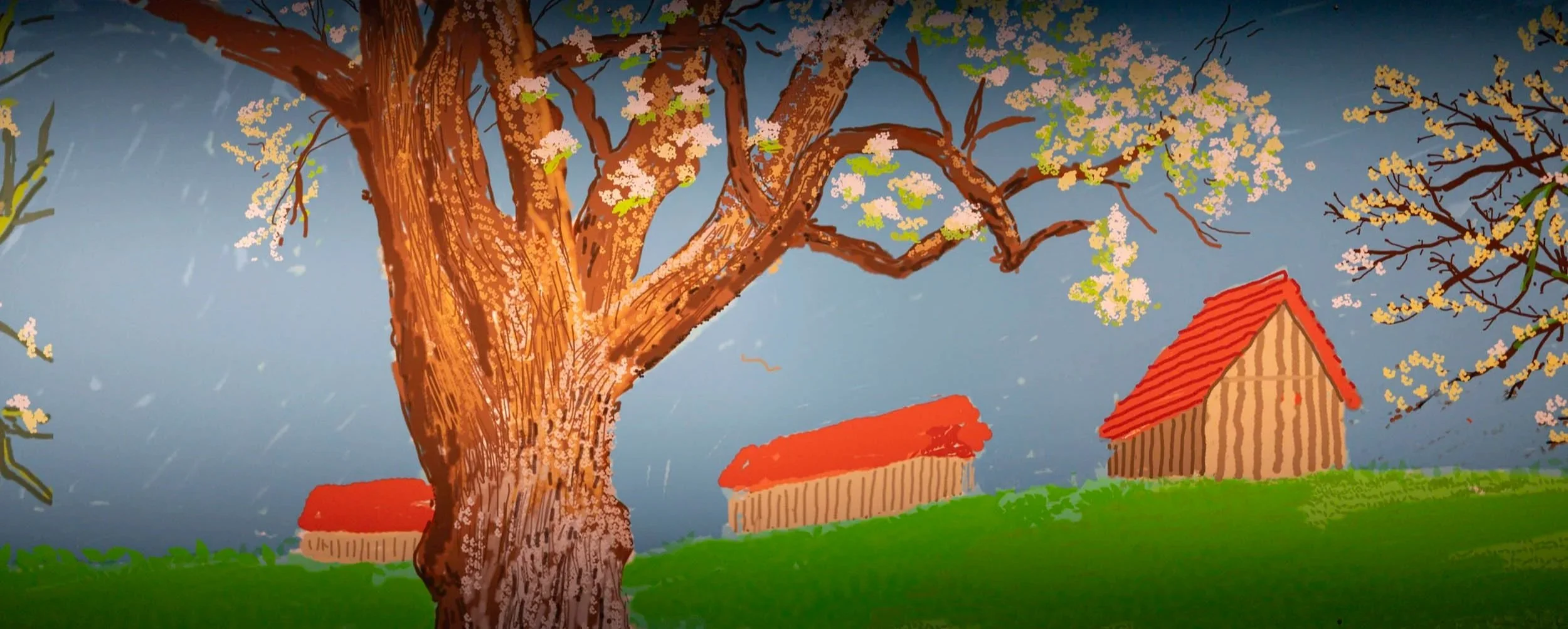
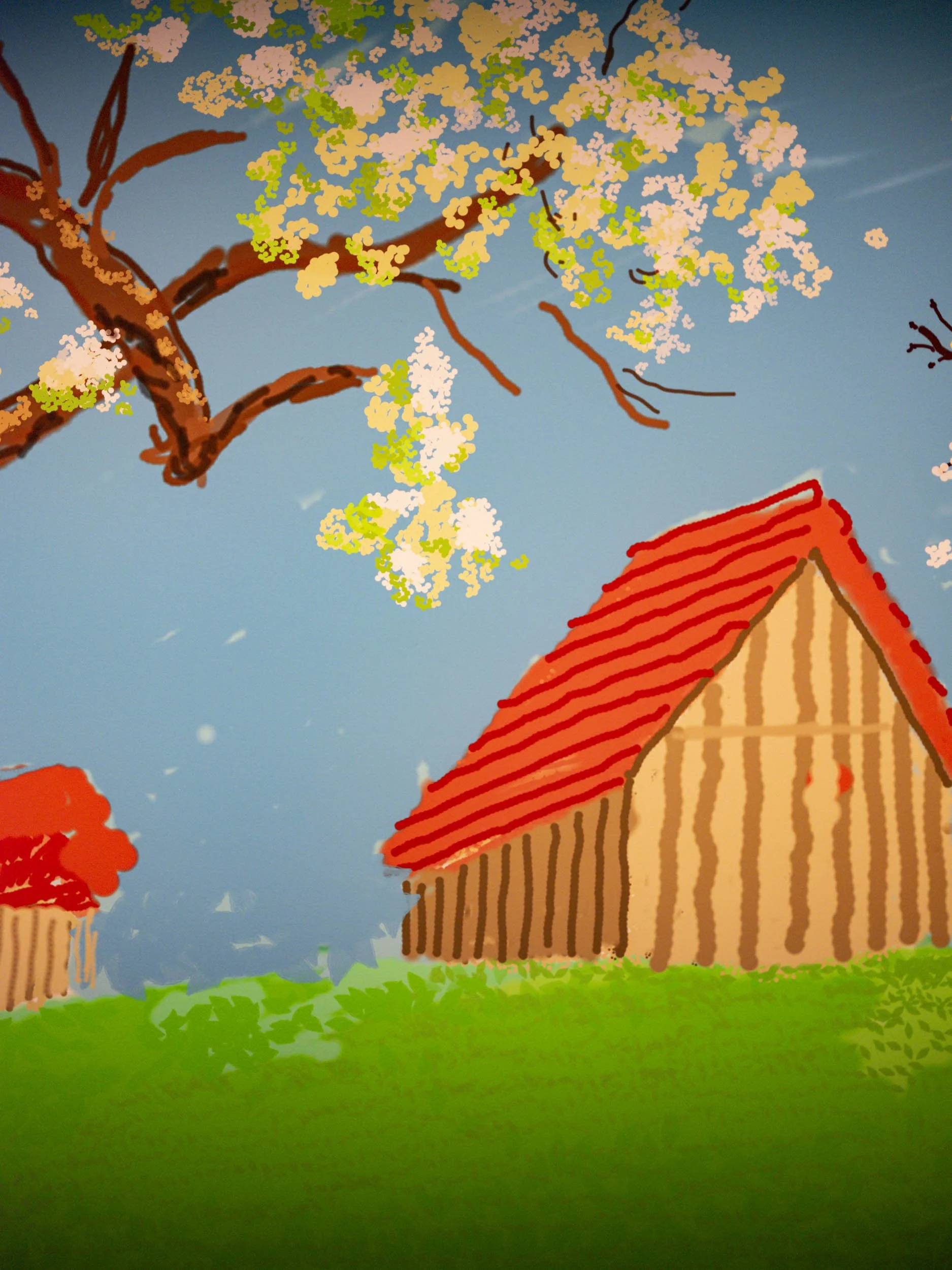
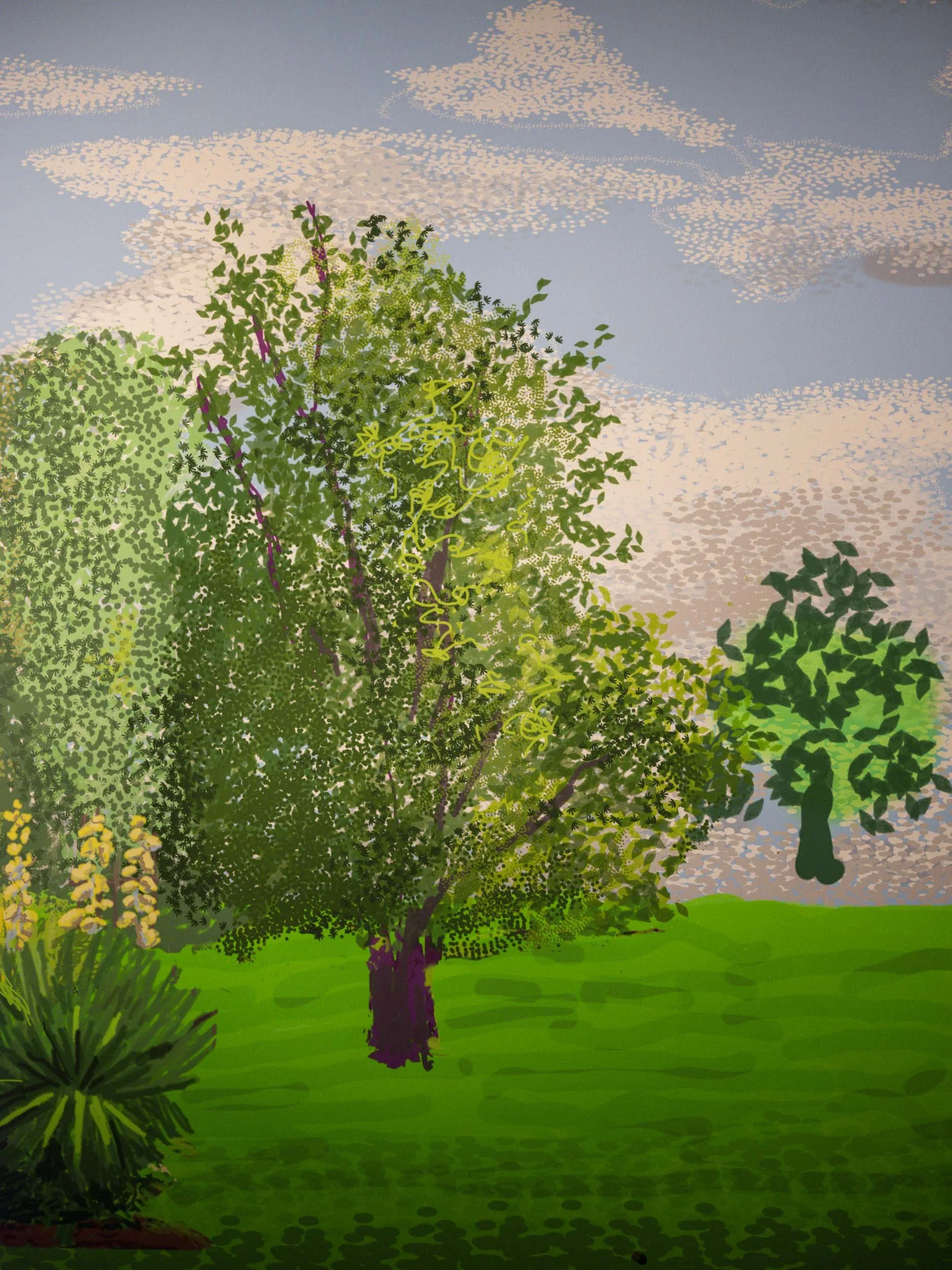
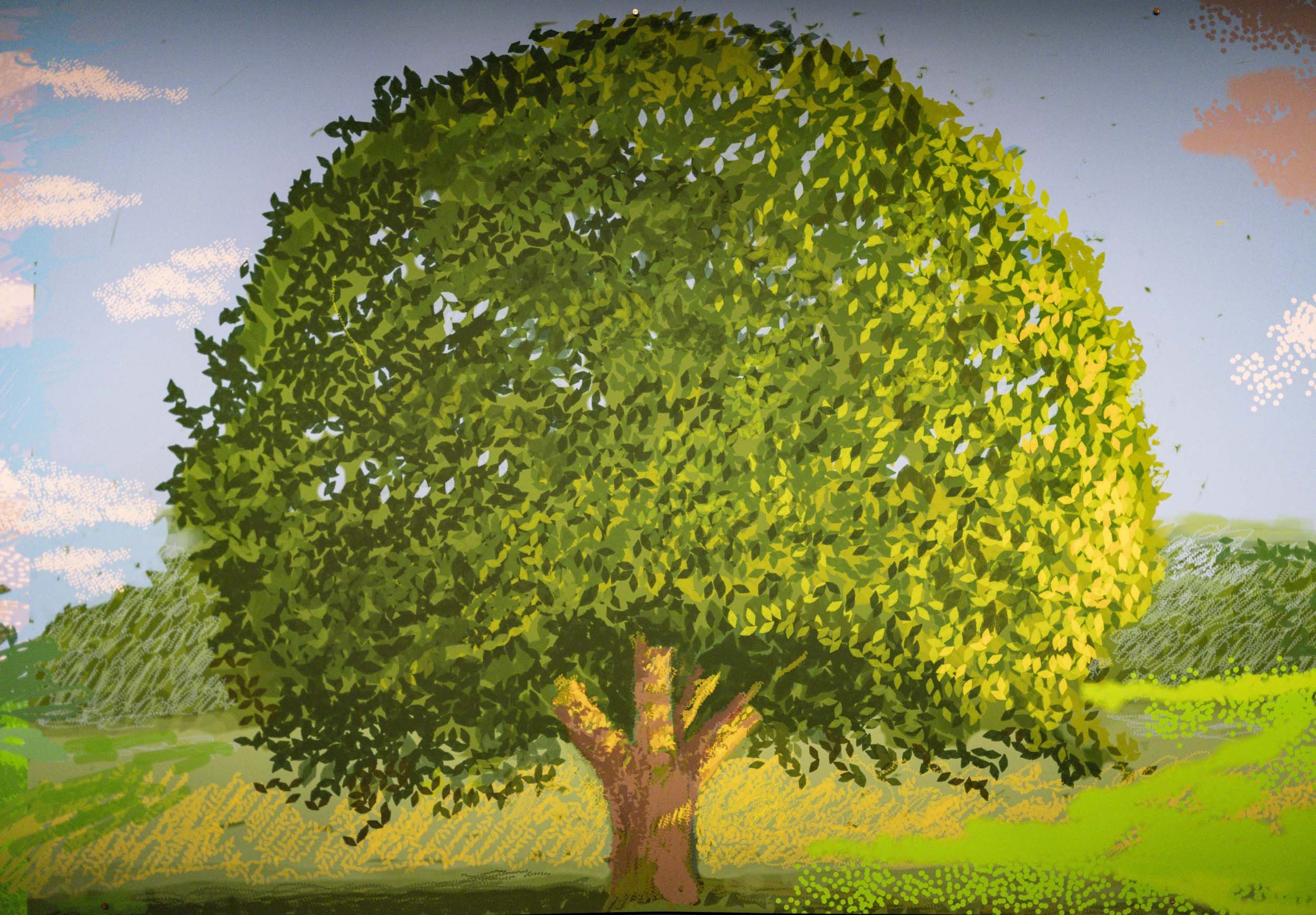
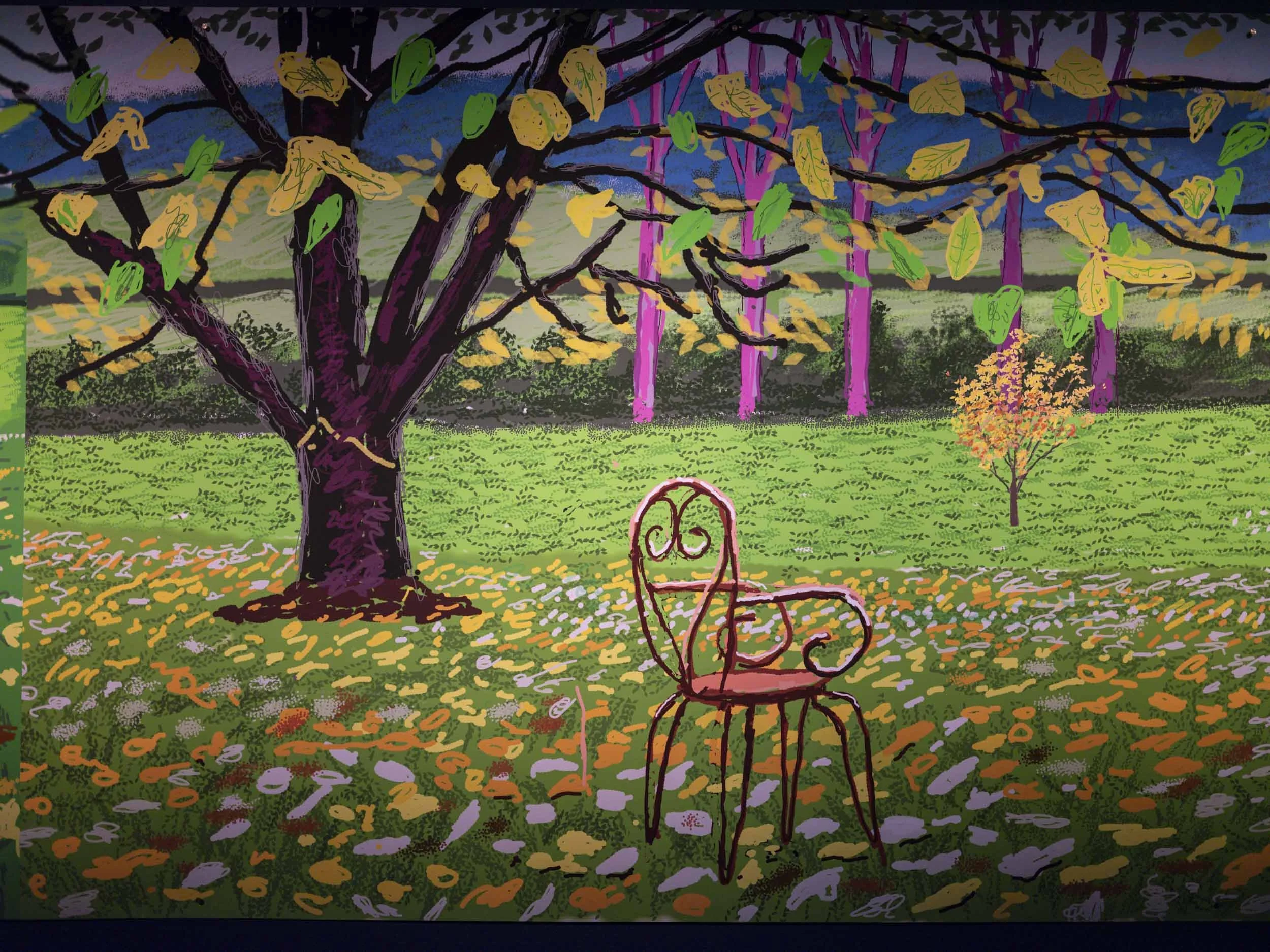
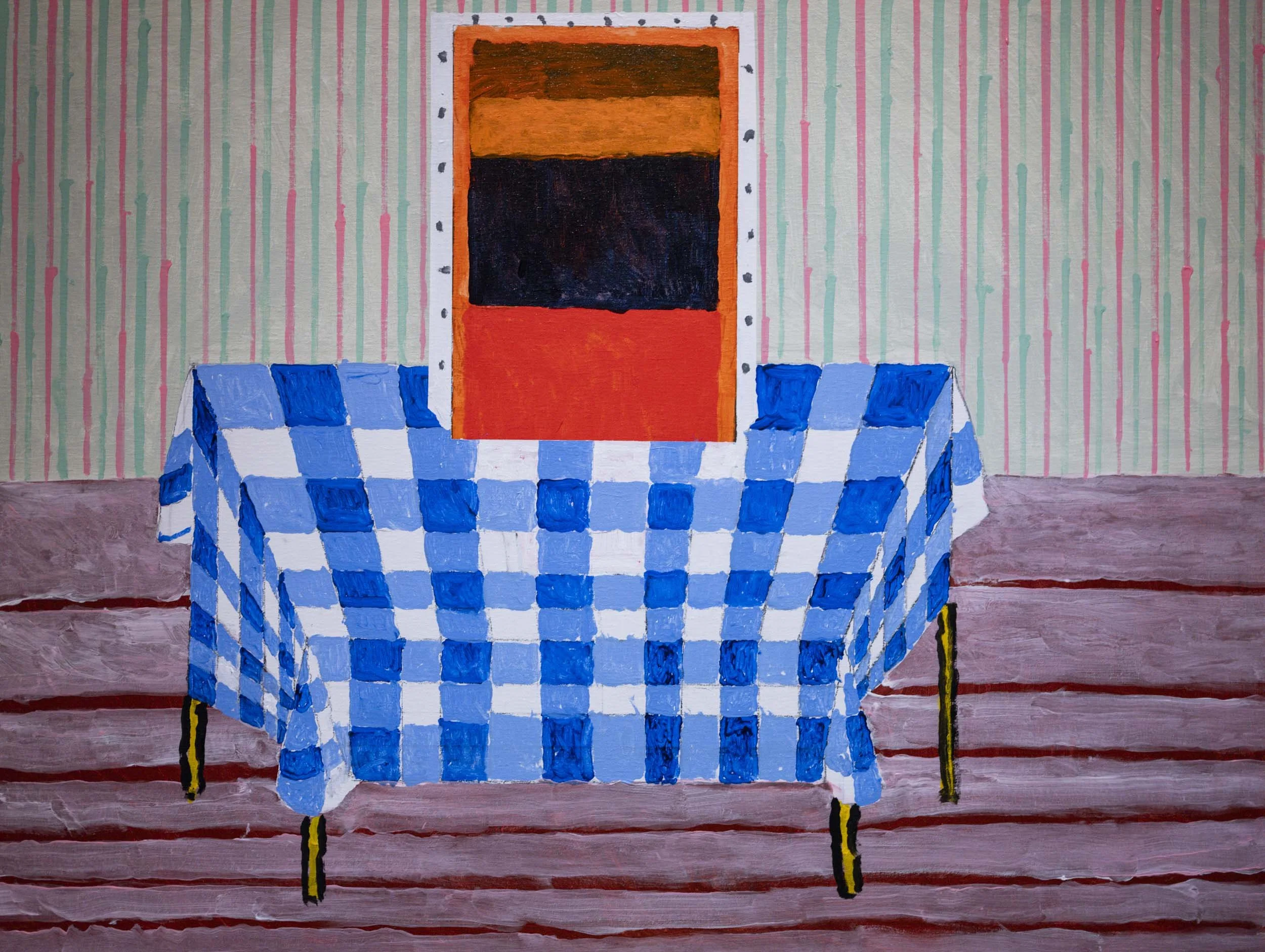
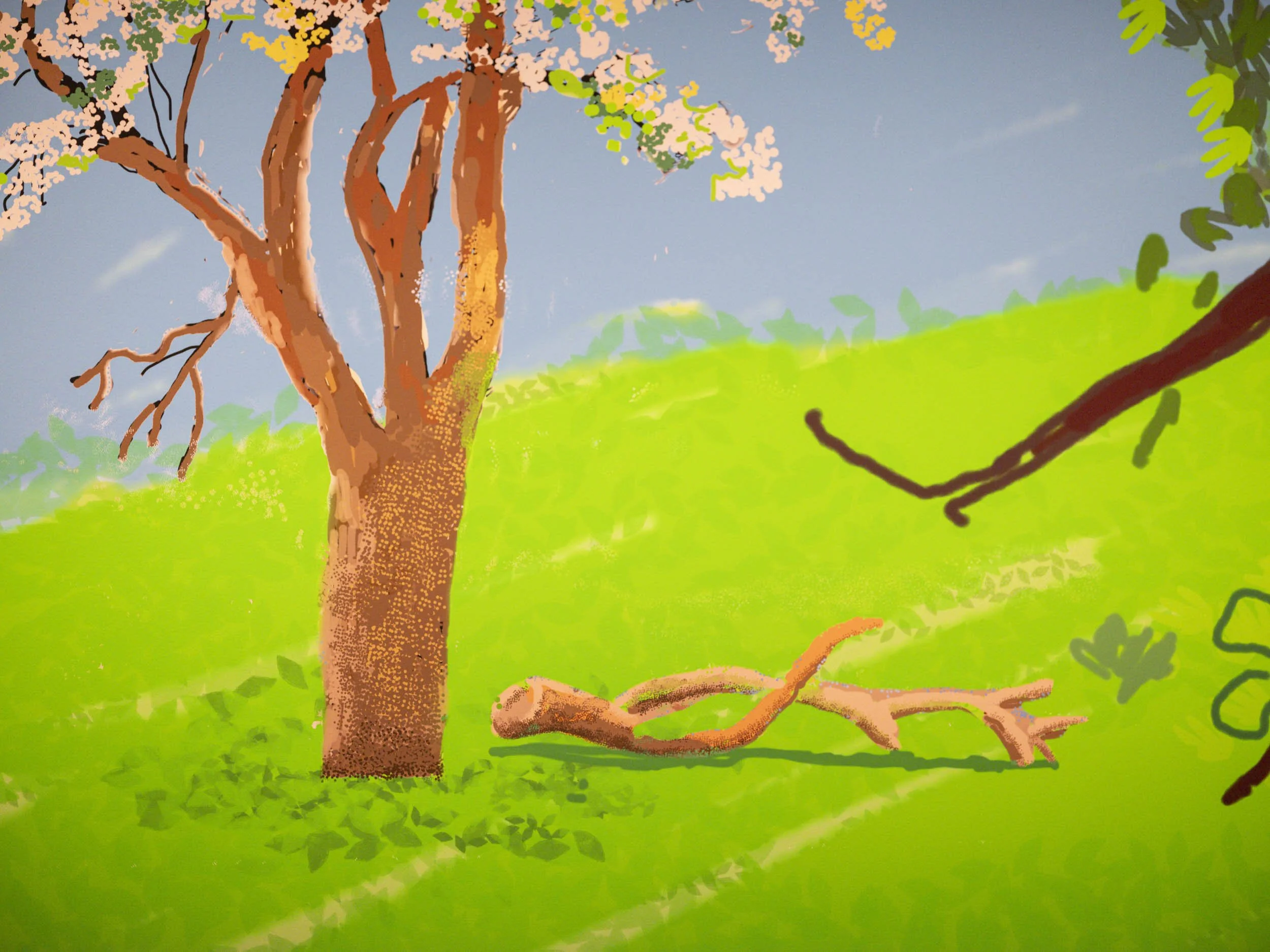
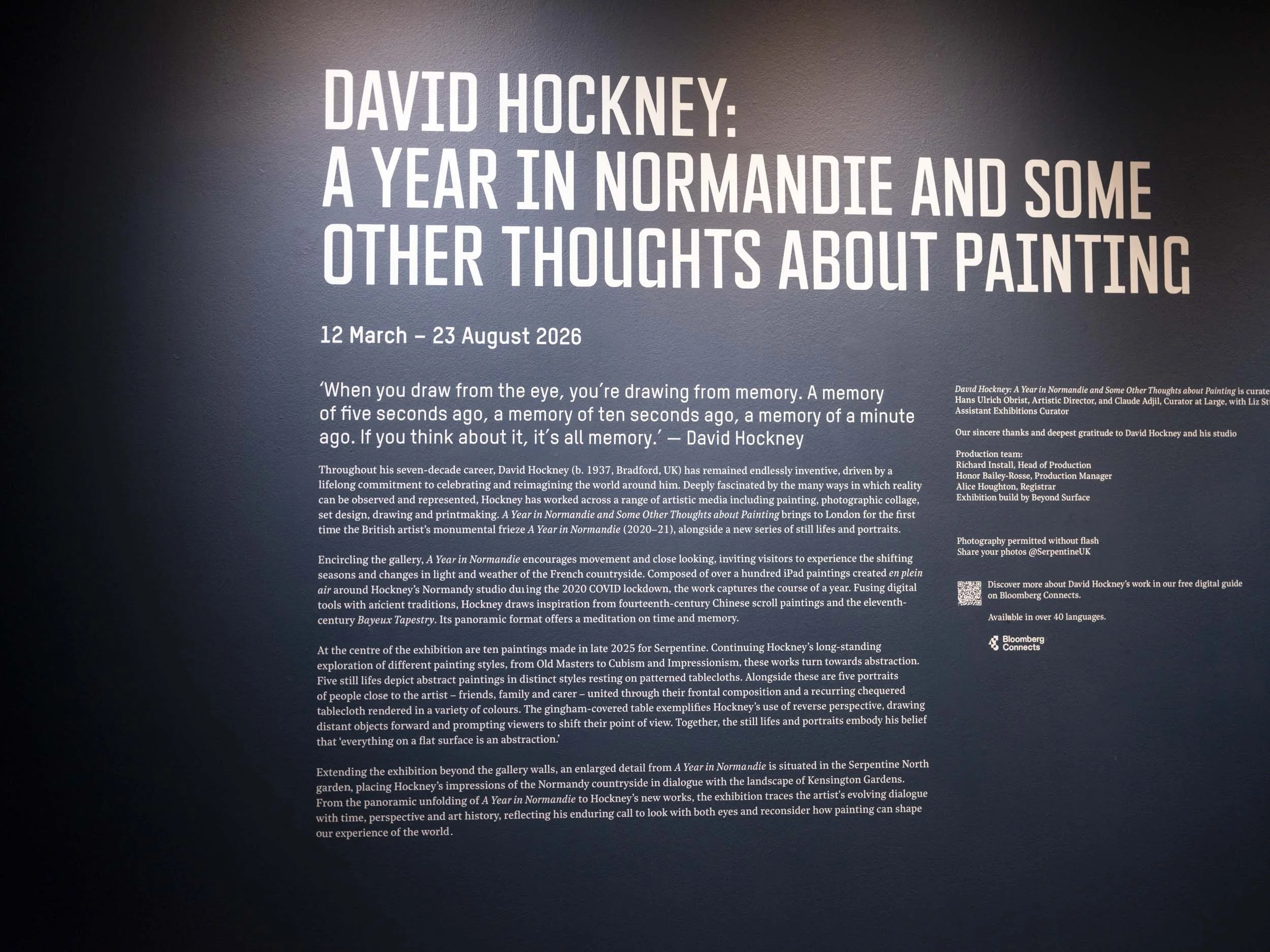
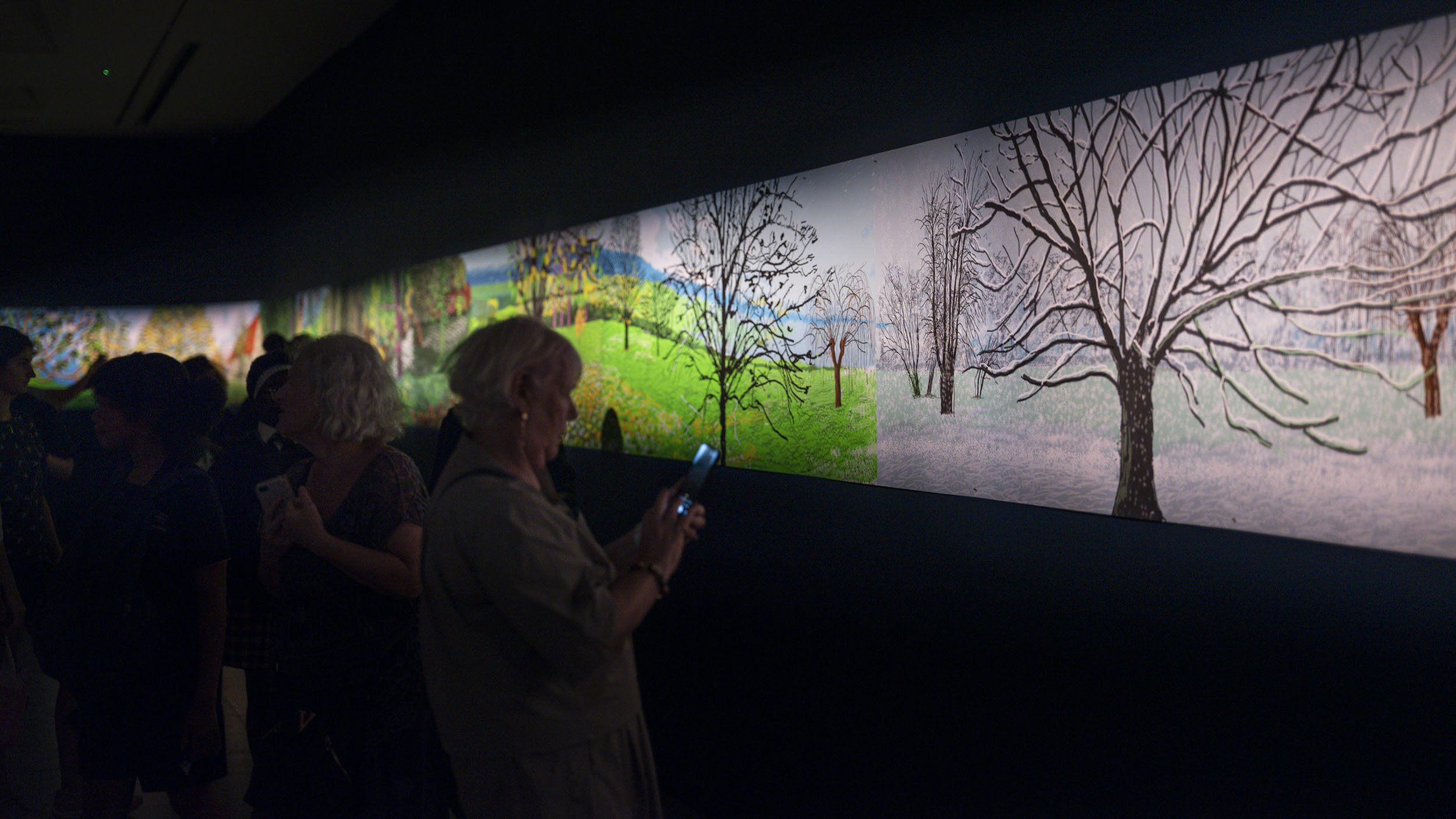
The project was ambitious and intimate at once. Ambitious: a frieze running over 80 metres. Intimate: images he drew on an iPad during the Covid lockdown at his home in Normandy, over a full year, moving through the changing seasons. Alongside it, a handful of new canvases made over the past year: a table laid for a meal, his carers, his last friends. But let's take this in order.
The iPad drawings had been a recurring leitmotif of Hockney's work for the last fifteen years or so. You could say he was the only person who ever really understood what an iPad was for. Printing them out (assembling them, with more than a little "workshop" help) is bound to make purists wince. At the same time, a medium this new and this different absorbs that kind of "forgery" without much friction. This wasn't the first time I'd seen drawings like these: part of the Normandy body of work was already on show at the sprawling exhibition-monstre in Paris a year earlier. The effect was already extraordinary then, but having more time and more continuity to sit with them does them a real service.
To understand them properly, though, you have to go back to a small London show of flower vases. At some point it's obvious that a nephew, or a friend, saw Hockney bored and said: why don't you paint? From there came an endless series of flower vases. And before that, at another show, an endless series of dogs. It's always the same story: Hockney was (was, I'm sorry) a monomaniac who found in painting a way to channel an obsession. Wait. That's a cheap, pop-psychology explanation. Yes, Hockney painted to keep himself occupied: that heartbreaking series of dogs came from a period when too many of his friends were dying of AIDS. But Hockney didn't choose to paint when he could have done something else instead. For Hockney, painting was the obsession; whatever he happened to be depicting was only ever the backdrop.
Hockney had that quality of the truly great artists: he made everything look simple, everything look true. For him, truth existed in painting, not in photography, not in film, but in drawing and in colour. The support was irrelevant: sometimes canvas, sometimes paper, lately an iPad. But the truth of his painting was painting itself. That, without question, is his greatest legacy: the reminder that painting still matters in the twenty-first century, and that figuration is too important to be left to traditionalists and to people nostalgic for a world that pretended not to know abstraction existed.
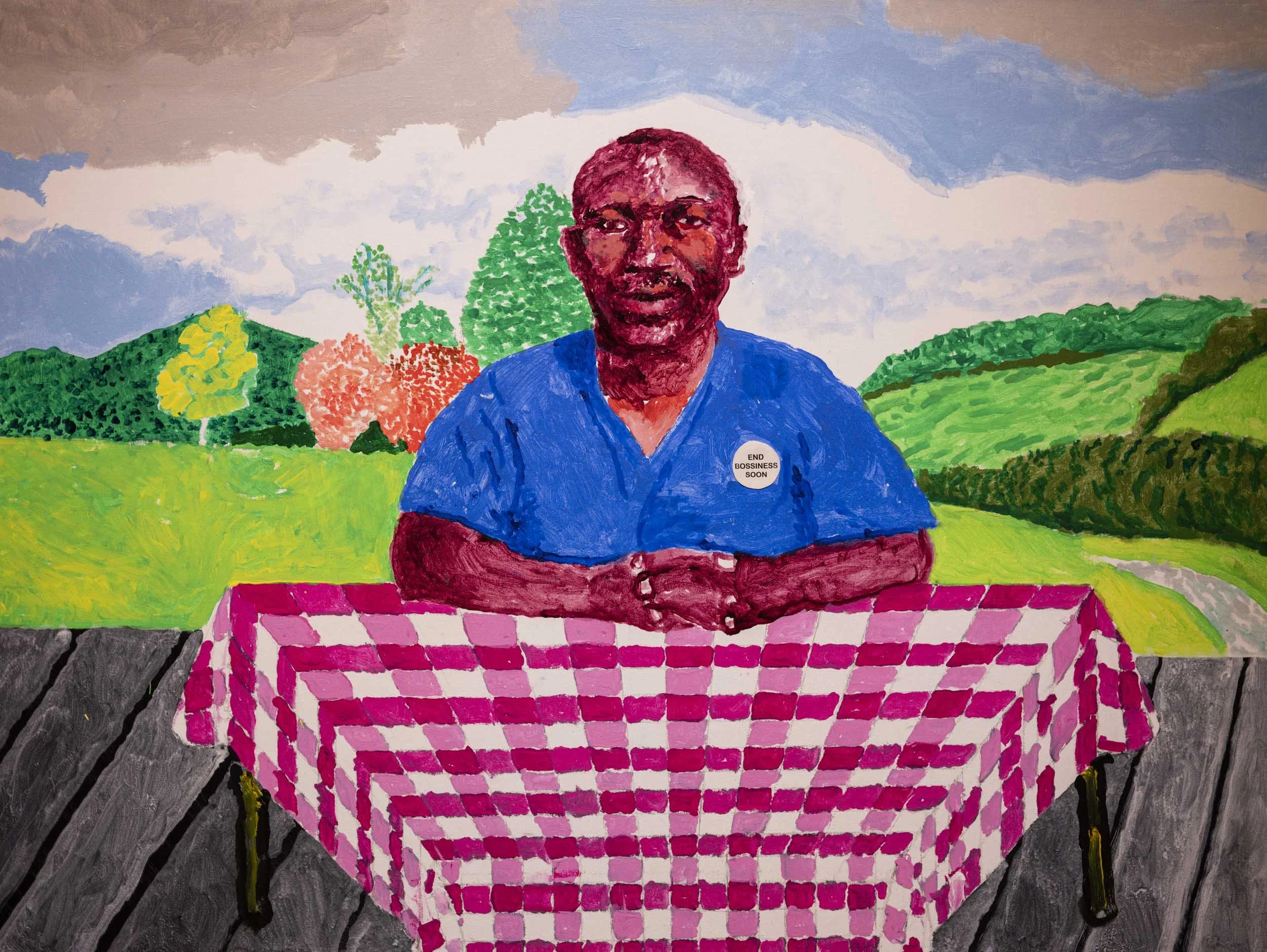
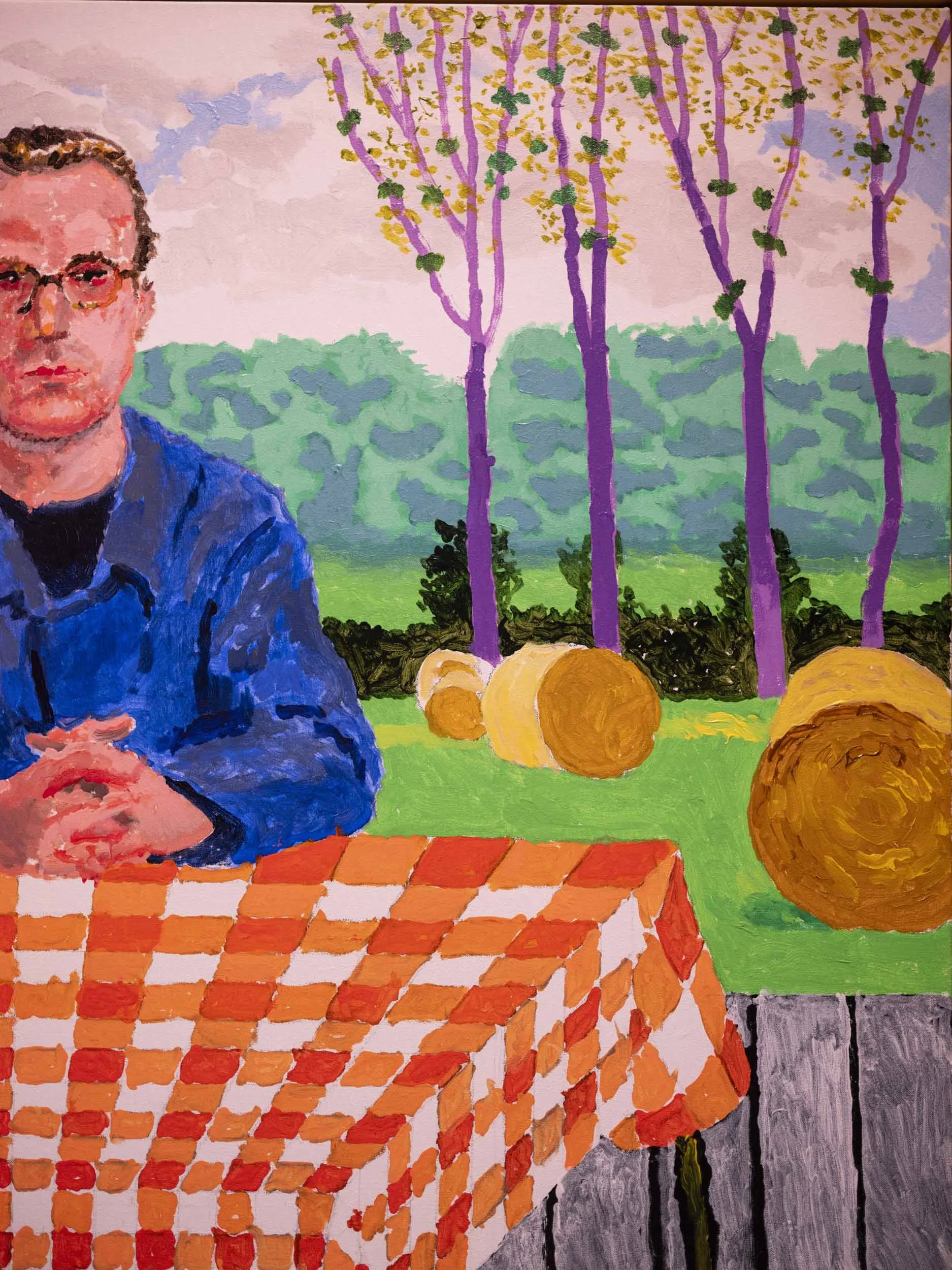
One of the last Hockney’s paintings showing his caretaker
The last canvases deserve a mention of their own. The hand is visibly older, but they are also disarmingly genuine. His carer, for instance, is painted with a tenderness and depth that sits in sharp contrast with that older, shakier line. It's moving to find, in a frail, elderly artist, a psychological depth still this strong. But don't picture Hockney as just a sick old man. Far from it. He was as combative as ever. "End Bossiness," a badge that appears in one of his last portraits, worn by his carer: what's that even about? The anti-smoking campaigns, obviously, which he opposed fiercely to the end. A gay man who lived through the darkest years of the criminalisation of homosexuality in England, who in his final years would still say: well, now in the UK you can't even smoke anymore.
A man full of contradictions, but also full of life: not in the sense of having lived like a rock star, maybe, but in always having been able to give a face, an image, to his own time. If the 1970s were the sun-blinded villas of California, the early 2020s of Covid were his retreat into the countryside. He was always in step with his moment, and he always loved art without reservation.
David Hockney died a few months ago, and we will never again see an exhibition where his name is followed by only one date. What makes leaving the show even sadder is the umpteenth confirmation that we haven't lost one of art's last grand old men. The sadness comes entirely from having lost an artist who was still young, whatever that's supposed to mean. An artist with so much still to teach, so much still to marvel at, so much still to paint. People sometimes joke about the elderly being "however many years young." In his case, it was actually true. He left us 88 years young. No one today is quite like him.